


SURMOUNT-2 RCT Results: Does Tirzepatide Treatment Improve Weight Loss for Individuals with Obesity and Type 2 Diabetes?
BACKGROUND AND PURPOSE:
- Tirzepatide is a once-weekly injectable insulinotropic polypeptide (GIP) and glucagon-like peptide-1 (GLP-1) receptor agonist
- Demonstrated weight loss in non-diabetic patients (SURMOUNT-1)
- Garvey et al. (The Lancet, 2023) assessed the efficacy and safety of tirzepatide for weight management in people with obesity and type 2 diabetes
METHODS:
- Phase 3, double-blind, randomized, placebo-controlled trial
- SURMOUNT-2 trial, 7 countries
- Participants
- BMI ≥27 kg/m2
- Glycated hemoglobin (HbA1c) 7 to 10% (53 to 86 mmol/mol)
- Interventions
- Once-weekly, subcutaneous tirzepatide (10 mg or 15 mg) for 72 weeks
- Placebo
- Study design
- Intention-to-treat
- Primary outcomes
- The percent change in bodyweight from baseline
- Bodyweight reduction of 5% or higher
RESULTS:
- Tirzepatide 10 mg: 312 participants | Tirzepatide 15 mg: 311 | Placebo: 315
- White: 76% | Hispanic/Latino: 60%
- Baseline characteristics
- BMI: 36.1 (SD, 6.6) kg/m2
- Least-squares mean change in bodyweight at week 72
- Tirzepatide 10 mg: –12.8%
- Tirzepatide 15 mg: –14.7%
- Placebo: –3.2%
- There was a significant reduction in body weight over 72 weeks with tirzepatide (P<0.0001)
- Tirzepatide 10 mg vs placebo: –9.6% percentage points (95% CI, –11.1 to –8.1)
- Tirzepatide 15 mg vs placebo: –11.6% percentage points (95% CI, –13.0 to –10.1)
- More participants treated with tirzepatide vs placebo met bodyweight reduction thresholds of 5% or higher
- Tirzepatide 10 mg: 79%
- Tirzepatide 15 mg: 83%
- Placebo: 32%
- Mean HbA1c improved with tirzepatide vs placebo over 72 weeks
- Tirzepatide 10 mg: 6.0%
- Tirzepatide 15 mg: 5.9%
- Placebo: 7.5%
- The most frequent adverse events with tirzepatide were
- Nausea | Diarrhea | Vomiting
- Most adverse events were mild to moderate, and few events led to treatment discontinuation (<5%)
- Serious adverse events: 7% of participants
- There were 2 deaths in the tirzepatide 10 mg group
- Neither related to study treatment
CONCLUSION:
- For adults with obesity and type 2 diabetes, tirzepatide 10 mg or 15 mg for 72 weeks provided statistically and clinically significant weight reduction compared to placebo
- The authors state
In conclusion, in adults with a BMI of 27 kg/m2 or higher and type 2 diabetes, once-weekly treatment with tirzepatide demonstrated substantial, clinically meaningful bodyweight reductions of up to 15%, with weight reductions of 20% or higher reached by up to nearly one-third of tirzepatide-treated participants
Learn More – Primary Sources:

SARS-CoV-2 Vaccines Do Not Cause Female Sterility
BACKGROUND AND PURPOSE:
- Some people on social media have claimed that there is an alleged similarity between syncytin-1 and the SARS-CoV-2 spike protein which, through immune cross-reactivity, could lead to female sterility
- Morris (F&S Reports, 2021) used frozen embryo transfer to compare the implantation rates between SARS-CoV-2 seropositive vs seronegative women
METHODS:
- Cohort study
- Participants
- Women undergoing frozen embryo transfer (FET)
- Exposures
- Seropositive due to vaccination (Pfizer or Moderna)
- Seropositive due to natural infection
- Seronegative
- Study design
- Levels of SARS-CoV-2 IgG were determined from serum samples obtained prior to FET
- All transfers used a single expanded blastocyst in a hormone-prepared uterus
- Transfer was performed under transabdominal ultrasound guidance
- Primary outcomes
- Embryo implantation rates
- Serum hCG level of >5 mIU/mL obtained 8 days after transfer, followed by a rising level two to three days later
- Sustained implantation rates
- Presence of ultrasound visualized fetal heart tones at two time points at least one week apart
- Embryo implantation rates
RESULTS:
- 148 patients
- Seropositive: 37.8%
- Due to vaccination: 64.8%
- Due to natural infection: 35.2%
- Baseline characteristics were similar between exposure groups, except for higher mean BMI in the post-infection group than the vaccinated group and the nonreactive group (P = 0.005)
- Seropositive: 37.8%
- There was no difference in embryo implantation rates between the groups (P=0.99)
- Vaccine seropositive: 80.0%
- Infection seropositive: 73.7%
- Seronegative: 73.9%
- There was also no difference in sustained implantation rates between the groups (P=0.99)
- Vaccine seropositive: 65.7%
- Infection seropositive: 47.4%
- Seronegative: 52.3%
CONCLUSION:
- SARS-CoV-2 seropositivity, whether from vaccination or infection, does not prevent embryo implantation or early pregnancy development
- Claims that SARS-CoV-2 spike protein may induce cross-reactivity with syncytin-1 appear unfounded
- The authors state
Physicians and public health personnel can counsel women of reproductive age that neither previous illness with COVID-19 nor antibodies produced from vaccination to COVID-19 will cause sterility
Learn More – Primary Sources:
SARS-CoV-2 spike protein seropositivity from vaccination or infection does not cause sterility

Meta-Analysis: Which Anticoagulant Treatments Are Best for Preventing Venous Thromboembolism in Hospital?
BACKGROUND AND PURPOSE:
- Eck et al. (BMJ, 2022) assessed the benefits and harms of different types and doses of anticoagulant drugs for the prevention of venous thromboembolism (VTE) in hospitalized patients who are acutely ill
METHODS:
- Systematic review and meta-analysis
- Inclusion criteria
- RCTs
- Studies that investigated the prevention of VTE among acutely ill adult patients in the hospital
- Eligible studies compared
- Low or intermediate dose low-molecular-weight heparin (LMWH) | Low or intermediate dose unfractionated heparin | Direct oral anticoagulants (DOACs) | Pentasaccharides | Placebo | No intervention
- Study design
- Random effects, Bayesian network meta-analyses were used to assess primary outcomes
- The quality of evidence was graded using the Confidence in Network Meta-Analysis framework
- Primary outcomes
- All-cause mortality
- Symptomatic VTE
- Major bleeding
- Serious adverse events at or closest time to 90 days
RESULTS:
- 44 RCTs | 90,095 participants
- Evidence was low to moderate quality
- None of the interventions assessed reduced all-cause mortality compared with placebo
- Some interventions were most likely to reduce symptomatic VTE
- Pentasaccharides
- OR 0.32 (95% credible interval [CrI], 0.08 to 1.07)
- Intermediate dose LMWH
- OR 0.66 (95% CrI, 0.46 to 0.93)
- DOACs
- OR 0.68 (95% CrI, 0.33 to 1.34)
- Intermediate dose unfractionated heparin
- OR 0.71 (95% CrI, 0.43 to 1.19)
- Pentasaccharides
- Two interventions were most likely to increase major bleeding
- Intermediate dose unfractionated heparin
- OR 2.63 (95% CrI, 1.00 to 6.21)
- DOACs
- OR 2.31 (95% CrI, 0.82 to 6.47)
- Low to moderate quality evidence
- Intermediate dose unfractionated heparin
- No conclusive differences were found between interventions regarding serious adverse events
- Very low to low quality evidence
- When compared with no intervention rather than placebo, all active interventions performed
- More favorably regarding risk for
- VTE
- Mortality
- Less favorably regarding risk for major bleeding
- More favorably regarding risk for
- The results were robust in prespecified sensitivity andsubgroup analyses
CONCLUSION:
- For prevention of VTE among acutely ill patients, LMWH maximized benefit while limiting major bleeding risk vs other interventions
- Interventions with the least favorable outcomes included
- Unfractionated heparin, especially intermediate dose
- DOACs
- The authors state
Our results support the National Institute for Health and Care Excellence and the American Society of Hematology guidelines on thrombosis prophylaxis in their recommendations on the use of low-molecular-weight heparins or pentasaccharides
Learn More – Primary Sources:

Do Proton Pump Inhibitors Increase the Risk for CVD in Patients with Type 2 Diabetes?
BACKGROUND AND PURPOSE:
- Proton pump inhibitors (PPIs), used for treating gastric-acid related diseases, have been linked with cardiovascular disease (CVD)
- How PPI use affects type 2 diabetes (T2D) patients, who are more likely to use PPIs and more likely to develop CVD, is unclear
- Geng et al. (Journal of Clinical Endocrinology & Metabolism, 2022) evaluate the associations of PPI use with risks of CVD and all-cause mortality in patients with T2D
METHODS:
- Secondary analysis of prospective cohort study
- Population
- Patients in the UK Biobank with preexisting T2D
- Exposure
- PPI use
- Primary outcomes
- Coronary artery disease (CAD)
- Myocardial infarction (MI)
- Heart failure (HF)
- Stroke
- All-cause mortality
RESULTS:
- 19,229 adults with T2D
- Median follow up: 10.9 to 11.2 years
- PPI use was significantly associated with higher risks of
- CAD: HR 1.27 (95% CI, 1.15 to 1.40)
- MI: HR 1.34 (95% CI, 1.18 to 1.52)
- HF: HR 1.35 (95% CI, 1.16 to 1.57)
- All-cause mortality: HR 1.30 (95% CI, 1.16 to 1.45)
- The results were consistent in the subgroup analyses stratified by factors including
- Indications of PPI | Antidiabetic medication use | Antiplatelet drug use
- Analyses in a 1:1 propensity score-matched cohort of PPI users vs nonusers yielded similar results
CONCLUSION:
- PPI use among patients with T2D is associated with an increased risk of CVD events, compared to non-use
- The authors state
The benefits and risks of PPI use should be carefully balanced among patients with T2D, and monitoring of adverse CVD events during PPI therapy should be enhanced
Learn More – Primary Sources:

Does a Healthy Lifestyle Decrease Risk of Dementia Even in Those with High Genetic Risk?
BACKGROUND AND PURPOSE:
- Genetics and lifestyle are both important in determining individual risk of Alzheimer’s or other forms of dementia
- Previous studies have provided evidence that
individuals with a healthy lifestyle are at a lower dementia risk
- It is possible that a healthy lifestyle may be able to offset genetic risk of dementia
- Lourida et al. (JAMA, 2019) examined whether a healthy lifestyle could decrease risk of dementia, even in those with a significant genetic predisposition
METHODS:
- Retrospective cohort study
- Participants enrolled in the UK Biobank
- European ancestry | ≥60 years | No evidence of cognitive impairment or dementia at baseline | Genetic information available
- Exposures based on polygenic risk score and lifestyle score
- Polygenic risk score for dementia: Load of common genetic variants associated with Alzheimer’s disease and dementia risk
- Low (lowest quintile)
- Intermediate (quintiles 2 to 4)
- High (highest quintile)
- Healthy lifestyle score based on 4 dementia risk
factors
- Healthy behaviors score 1 point each each: No smoking | Regular physical activity | Diet (4 of 7 cardiometabolic health food groups) | Moderate alcohol consumption
- Favorable (3 or 4 healthy factors)
- Intermediate (2 healthy factors)
- Unfavorable (0 or 1 healthy factors)
- Lifestyle was ‘weighted’, adjusting for age, sex, education and socioeconomic status etc.
- Primary outcome
- Incident all-cause dementia
RESULTS:
- 196,383 individuals | 1,545,433 person-years
- Lifestyle
- Favorable lifestyle: 68.1% | Intermediate lifestyle: 23.6% | Unfavorable lifestyle: 8.2%
- Polygenic risk scores
- High risk score: 20% | Intermediate risk score: 60% | Low risk score: 20%
- Risk for developing dementia
- High genetic risk: 1.23% (95% CI, 1.13% to 1.35%)
- Low genetic risk: 0.63% (95% CI, 0.56% to 0.71%)
- adjusted hazard ratio (HR): 1.91 (95% CI, 1.64 to 2.23)
- Risk for developing dementia when taking in to account both genetic risk and lifestyle
- High genetic risk and unfavorable lifestyle: 1.78% (95% CI, 1.38% to 2.28%)
- Low genetic risk and favorable lifestyle: 0.56% (95% CI, 0.48% to 0.66%)
- HR: 2.83 (95% CI, 2.09 to 3.83)
- Risk for developing dementia in high risk group but with differing lifestyle scores
- High genetic risk and favorable lifestyle: 1.13% (95% CI, 1.01% to 1.26%)
- High risk and unfavorable lifestyle: 1.78% (95% CI, 1.38% to 2.28%)
- HR: 0.68 (95% CI, 0.51 to 0.90)
- Genetic factors and lifestyle were not related and appeared to confer independent risk (p = 0.99)
CONCLUSION:
- A healthy lifestyle can significantly reduce risk for dementia even in those at risk due to genetic background
- There is potential to prevent 1 case of dementia for every 121 individuals if lifestyle was improved from unfavorable to favorable
- High genetic risk and unfavorable lifestyle was associated with a higher risk of dementia
- Having a favorable lifestyle was associated with a lower risk of dementia even among participants with a high genetic risk
Learn More – Primary Sources:
Association of Lifestyle and Genetic Risk With Incidence of Dementia

Periprocedural Management Recommendations For DOACs
SUMMARY:
The management of DOACs in patients undergoing surgical procedures is challenging, since interrupting anticoagulation for a procedure transiently increases the risk of thromboembolism. A balance between reducing the risk of thromboembolism and preventing excessive bleeding must be reached for each patient. A general decision-making approach involves estimating the individual patient’s thrombotic and bleeding risk and weighing the surgical bleeding risk to optimally determine the strategy for DOAC interruption.
DOACs
Factor Xa inhibitors
- Apixaban, edoxaban, and rivaroxaban
Factor IIa (thrombin) inhibitor
- Dabigatran
Assessment of Thromboembolic Risk
- High risk
- Stroke within 3 months
- TIA within 3 months
- VTE within 3 months
- Active cancer
- Calculators are used to predict atrial fibrillation-related thromboembolic risk in the absence of anticoagulation
CHADS2 score and the CHADS2-VASc score predict atrial fibrillation-related thromboembolic risk in the absence of anticoagulation
Assessment of Bleeding Risk
- Calculators are used to assess bleeding risk
HAS-BLED score or the ORBIT Bleeding Risk Score
Management of DOAC and Elective Surgery/Procedure
High-bleed-risk Surgery/Procedure
- Withhold DOAC for 2 full days before surgery/procedure
- Examples
- Intracranial surgery | Cancer surgery | Thoracic surgery | Cardiac surgery | Major orthopedic surgery | ENT surgery | Liver/kidney biopsy
Low-bleed-risk Surgery/Procedure
- Withhold DOAC for 1 full day before surgery/procedure
- Examples
- Cataract surgery | Tooth extraction (1 to 3 teeth) | Endoscopy without biopsy | Superficial surgery
CrCl <50 mL/min
In dabigatran-treated patients, withhold DOAC for 3 to 4 full days before surgery/procedure
Liver Insufficiency
- No alteration to standard withholding recommendations
- Withhold 2 days prior to high bleeding risk surgery/procedure or 1 day before low-bleeding risk surgery/procedure
Heparin Bridge
- Heparin bridge has no clinical benefit in patients with short period of perioperative DOAC interruption
- In patients’ high thromboembolic risk and a prolonged DOAC interruption, patients would benefit from a multidisciplinary management to decide if heparin bridging should be prescribed
Management of DOAC in Emergency Surgery
- If possible, residual DOAC plasma concentration < 30 ng/ml should be reached before undertaking high bleeding risk surgery
- Antidotes include
- Idaruzcizumab for dabigatran | Andexanet alpha for apixaban | edoxaban | rivaroxaban
Perioperative Laboratory Measurement of DOAC Therapy
- Role of measuring DOAC levels before surgery/procedure is uncertain
- If DOAC was withheld for an elective surgery/procedure, guidelines suggest against routine DOAC coagulation function testing to guide perioperative DOAC management
- DOAC-level testing may be considered in nonelective perioperative clinical situations (emergency surgery, etc.)
Resumption of DOAC after elective surgery/procedure
- Resume DOAC >24 hours after surgery/procedure
Learn More – Primary Sources
Perioperative Management of Patients on Direct Oral Anticoagulants

The Stark (Law) Reality of Self-Referral in Medicine
As of 1992, the Stark law contains provisions that govern physician self-referral for Medicare and Medicaid patients. The law is named for United States Congressman Pete Stark, who sponsored the initial bill in 1989.
What is Physician Self-Referral?
Physician self-referral is the practice of physicians referring a patient to a medical facility in which they or an immediate family member have a financial interest. It could be ownership, investment, or a structured compensation arrangement. Critics of the practice allege an inherent conflict of interest exists because the physicians can benefit from the referral. They believe that such arrangements may encourage over-utilization of services that drives up health care costs. They also assert that it limits or eliminates competition from other providers. On the other hand, in medically underserved areas, a physician may be providing a service that otherwise is not readily available.
What Constitutes a Referral?
A referral includes a request by a physician for an item or service payable under Medicare or Medicaid (including the request by a physician for consultation with another physician and any test or procedure ordered or performed by such other physician), or a request by a physician for the establishment of a plan of care that includes the provision of Designated Health Services (DHS). The DHS list can be found at the CMS website and is extensive, including ultrasound and other imaging services as well as outpatient pharmacy and physical and occupational therapy.
Are there exceptions?
The law contains numerous exceptions that add to its complexities. For example, the referral-source physicians who are members of a physician group practice can refer a patient for imaging services or other DHS to be provided within the group practice without violating Stark. Qualifying as a “group practice” under Stark enables physicians to take advantage of certain exceptions, including the physician services exception and the in-office ancillary services exception. Group practices that provide DHS should review Stark’s group practice requirements to make sure they qualify under the definition, in order to protect their referrals under the in-office ancillary services exception.
Penalties for violating Stark can be quite harsh. They include denial of payment, refund of payment, imposition of a $15,000 per service civil monetary penalty and imposition of a $100,000 civil monetary penalty for each arrangement considered to be a circumvention scheme.
Learn More – Primary Sources:
Becker’s Hospital Review: 15 Things to Know About Stark Law
AAFP: The Stark Truth About the Stark Law: Part I
CMS: Code List for Certain Designated Health Services (DHS)

Diagnosis and Management of Primary Hypothyroidism
SUMMARY:
Hypothyroidism is a common and easily treatable condition encountered in primary care. The most common cause of hypothyroidism worldwide is iodine deficiency, particularly in developing nations; in the US, it is chronic autoimmune (Hashimoto’s) thyroiditis. Hypothyroidism is 5 to 10 times more common in women and is often associated with other autoimmune disorders (type I diabetes, Addison’s disease, lupus). In many cases it is iatrogenic, caused by radioactive iodine therapy or surgery for hyperthyroidism or thyroid cancer, or drugs such as lithium, amiodarone, interferon alpha, or tyrosine kinase inhibitors. The American Thyroid Association (ATA), in conjunction with the American Association of Clinical Endocrinologists (AACE), offers a useful practice guideline for managing this prevalent endocrine disorder. Of note, the following summary applies to primary hypothyroidism and does not address management of central hypothyroidism or hypothyroidism in pregnancy, which are considered separate topics.
KEY POINTS:
Definitions
- Overt hypothyroidism
- High TSH (usually above 10 mU/L)
- Low free T4
- Subclinical hypothyroidism
- TSH above the upper reference range (4.5 to 10 mU/L)
- Normal free T4
Clinical Presentation
- Dry skin
- Sensitive to cold
- Fatigue
- Muscle cramps
- Voice changes
- Constipation
- Weight gain/obesity
- Thinning hair
- Impaired Memory
- Irregular menses
- Depression
- Findings associated with severe hypothyroidism
- Carpal tunnel syndrome | Sleep apnea | Pituitary hyperplasia (causing hyperprolactinemia and associated galactorrhea) | Hyponatremia
To Screen or Not to Screen?
Controversial—Recommendations Vary by Organization
- ATA: Screen all adults every 5 years beginning at age 35
- AACE: Screen “older” patients (age not specified)
- USPSTF does not recommend routine screening
- However, there is strong evidence to support “case finding” (screening in selected populations)
- Autoimmune disease | Pernicious anemia | First-degree relative with autoimmune thyroid disease | History of radiation to neck or thyroid surgery | Abnormal thyroid exam | Psychiatric disorder | Taking amiodarone or lithium
- Other disorders that can be used to support hypothyroid screening include
- Adrenal insufficiency | Alopecia | Anemia | Cardiac dysrhythmia | Changes in skin texture | Congestive heart failure | Constipation | Dementia | Diabetes mellitus, type 1 | Dysmenorrhea and other menstrual disorders | Hypercholesterolemia | Hypertension | Mixed hyperlipidemia | Malaise and fatigue | Myopathy, unspecified | Prolonged QT interval | Vitiligo | Weight gain
Diagnosis
Check serum TSH and free T4
- Multiple clinical scoring systems exist but are not recommended for diagnosis
- Not necessary or recommended to check T3 (total or free)
- Mild TSH elevation common in older people and does not necessarily represent subclinical hypothyroidism
- Do not check TSH in hospitalized patients unless suspicion for primary thyroid process (e.g. myxedema coma)
When to measure Thyroid peroxidase antibody test (TPOAb)
- Subclinical hypothyroidism | Nodular thyroid | Recurrent miscarriage
- Patients with subclinical hypothyroidism and TPOAb+ are almost twice as likely to progress to overt hypothyroidism (annual risk 4.3% vs 2.6%)
Pharmacologic Therapy
- Levothyroxine (Synthroid)
- Alternative therapies
- Combination levothyroxine/L-triiodothyronine | Desiccated thyroid hormone
- ‘Thyroid enhancing’ dietary supplements e.g. iodine in iodine sufficient areas and nutraceuticals are NOT recommended or endorsed
- Alternative therapies
- Starting dose
- Overt hypothyroidism: 1.7 mg/kg
- Young, healthy adults: Full replacement dose
- Patients 50 to 60 years old
- Without cardiovascular disease: 50 mcg
- With cardiovascular disease: 12.5 to 25 mcg, and monitor for development of angina
- Subclinical hypothyroidism: start with 25 to 75 mcg
- When to take levothyroxine
- 30 to 60 minutes before breakfast or
- Bedtime 4 hours after last meal
- Take with water and avoid other medications that interfere with absorption (e.g. calcium carbonate, iron supplements, aluminum containing antacids)
When to Consider Treating Subclinical Hypothyroidism
- Symptoms consistent with hypothyroidism
- TPOAb+
- Cardiovascular disease/heart failure
- Improvement in atherosclerotic risk factors (lipids, endothelial function) with treatment
Monitoring Treatment and Endpoints
- Initially: Check TSH and Free T4 four to eight weeks after initiation or change in dose
- Once therapeutic dose achieved: Check TSH at 6 months and then yearly thereafter
- If patient has initiated or stopped a drug that interferes with absorption or metabolism of levothyroxine
- Check TSH and Free T4 four to eight weeks
- Examples: Estrogen or androgen | Carbamazepine | Phenobarbital | Phenytoin | Rifampin | Sertraline | Tyrosine kinase inhibitors
- Avoid overtreatment
- Happens in 20% of patients treated with levothyroxine
- Adverse consequences include cardiovascular (angina, atrial fibrillation), skeletal (osteoporosis), psychiatric
- Therapeutic endpoint: Normalization of TSH and Free T4
Normalization of a variety of clinical and metabolic endpoints including resting heart rate, serum cholesterol, anxiety level, sleep pattern, and menstrual cycle abnormalities…are further confirmatory findings that patients have been restored to a euthyroid state
- Therapeutic goal: TSH 0.45 to 4.12
When to Consult an Endocrinologist
- Children/infants
- Difficulty achieving or maintaining euthyroid state
- Pregnancy or women planning conception
- Cardiac disease
- Structural thyroid abnormality (goiter, nodule)
- Comorbid endocrine disease
- Unusual constellation of thyroid function test results
Other Considerations
Do Not Use Thyroid Hormone to Treat
- Symptoms of hypothyroidism without biochemical confirmation (TSH/free T4)
- Obesity
- Depression
Adrenal Insufficiency
- Often associated with concurrent hypothyroidism
- Treat adrenal insufficiency with steroids first, then reassess thyroid function
Interruptions in Treatment
- If <6 weeks with no intervening cardiac event or significant weight loss, can resume full dose
- Preop setting
- Hypothyroidism affects perioperative outcomes
- Levothyroxine should be given preoperatively
Patients taking Biotin
- Hold the supplement for ≥2 days prior to TFT’s especially if taking more than 10 mg
Factors that Alter Thyroxine and Triiodothyronine Binding in Serum
- Increased T4-binding globulin (TBG)
- Inherited | Pregnancy| Estrogens| Hepatitis| Porphyria| Heroin| Methadone| Mitotane| 5-FU| SERMS (e.g., tamoxifen, raloxifene)
- Decreased TBG
- Inherited| Androgens| Anabolic steroids| Glucocorticoids| Severe Illness| Hepatic failure| Nephrosis| Nicotinic acid| L-Asparaginase
- Binding inhibitors
- Salicylates| Furosemide| Free fatty acids| Phenytoin| Carbamazepine| NSAIDs (variable, transient)| Heparin
References:

USPSTF Update: Screening for Abdominal Aortic Aneurysm
SUMMARY:
In December 2019, the USPSTF updated the 2014 recommendations for screening asymptomatic adults for abdominal aortic aneurysm (AAA), based on 4 large population-based clinical trials
A newly added feature is the importance of family history (first degree relative) of AAA as a risk factor for screening decision in women
USPSTF recommends the following
Men 65 to 75 years who have ever smoked
Recommendation Grade B (offer or provide this service)
- One-time screening ultrasound
- Magnitude of net benefit of screening is moderate | Harms are small to moderate
- Ever smoker “commonly defined as ≥100 cigarettes”
Men 65 to 75 years who have never smoked
Recommendation Grade C (offer or provide this service for selected patients depending on individual circumstances)
- Selectively offer one-time screening ultrasound rather than routinely to all men in this age group
- Magnitude of net benefit of screening is small | Harms are small to moderate
- Consider
- Medical history | Family history | Other Risk Factors | Personal values
Women who have never smoked and have no family history of AAA
Recommendation Grade D (discourage the use of this service)
- “Adequate evidence” that there is no benefit to screening ultrasound| Harms are small to moderate
- Moderate certainty that harms outweigh benefits
Women 65 to 75 years who have ever smoked or have a family history of AAA
I Statement (if the service is offered, patients should understand the uncertainty about the balance of benefits and harms)
- The USPSTF concludes that the current evidence is insufficient to assess the balance of benefits and harms of the service. Evidence is lacking, of poor quality, or conflicting, and the balance of benefits and harms cannot be determined
- Abdominal aortic aneurysm – there may be greater potential to prevent serious adverse outcomes
- Compared to men, women with small AAAs have an increased risk of rupture
- Approximately 25% to 33% of women have AAA with a diameter <5.5 cm surgical threshold at the time of rupture
- However, women also experience higher risk of harms
- Higher operative mortality | Longer hospital stay | Higher readmission rate
- Abdominal aortic aneurysm – there may be greater potential to prevent serious adverse outcomes
KEY POINTS:
- AAA is defined as aortic enlargement with a diameter of ≥3.0 cm
- Due to the low uptake of screening in the USA the prevalence is unclear
- Recommendations are stratified by “men” and “women”
- Benefit vs risk estimates are driven by biologic sex (ie, male/female) rather than gender identity
- Persons should consider their sex at birth to determine which recommendation best applies to them
- Risk factors
- Older age
- Male sex
- Smoking
- First degree relative with AAA
- Other vascular aneurysms | CAD | CAD | Cerebrovascular disease | Atherosclerosis | Hypercholesterolemia | Hypertension
- Protective factors
- African American race | Hispanic ethnicity | Asian ethnicity | Diabetes
Note: Above are risk factors for AAA | Risk factors for actual rupture include older age, female, smoking, and elevated BP
Ultrasound Screening for AAA
- Screening test is a conventional abdominal duplex ultrasonography
- Screening intervals
- 3 to 4 cm diameter: Reimage once a year
- 4 to 5 cm diameter: Reimage every 6 months
- Enlargement > 0.5 cm within 6 months should be considered at high risk for rupture
Treatment for AAA
- Balance of risk of rupture vs operative mortality
- Most common approach is endovascular aneurysm repair (EVAR)
- Elective repair
- Men: Diameter ≥5.5 cm
- Women: 5.0 to 5.4 cm (Society for Vascular Surgery)
Recommendations by Other Organizations
- Recommend one-time screening for AAA with physical examination
and ultrasonography for
- Men 65 to 75 years who have ever smoked
- Men ≥60 years are the sibling or offspring of a person with AAA
- Do not recommend screening for
- AAA in men who have never smoked
- Women
The Society for Vascular Surgery
- Recommends one-time ultrasonography screening for
- All men and women 65 to 75 years with a history of tobacco use
- Men ≥55 years with a family history of AAA
- Women ≥65 years who have smoked or have a family history of AAA
The American College of Preventive Medicine
- Recommends one-time screening for
- Men 65 to 75 years who have ever smoked
- Does not recommend
- Routine screening in women
Learn More – Primary Sources:
Open versus endovascular repair of abdominal aortic aneurysm

USPSTF Recommendation On Ovarian Cancer Screening
SUMMARY:
The USPSTF has posted its final recommendation regarding ovarian cancer screening on February 13, 2018. The Task Force is standing by previous guidance and considers the evidence sufficient to recommend against routine screening with transvaginal ultrasound and/or CA-125 for ovarian cancer.
KEY POINTS:
Reference Population
- Asymptomatic women
- This recommendation does NOT refer to women who are at increased risk for ovarian cancer, for example personal or family risk of the following:
- Hereditary Breast Ovarian Syndrome (BRCA1 / BRCA2)
- Lynch Syndrome
- Li-Fraumeni Syndrome
- Peutz-Jeghers Syndrome
- Family History of Ovarian Cancer
Benefits
- Transvaginal ultrasound and/or CA-125 measurements do not reduce deaths due to ovarian cancer
Harms
- Excessive false positives in asymptomatic women lead to unnecessary surgical interventions
- False positive rates range from 4.2% to 44.2%
- Magnitude of harm rated from moderate to substantial depending on the risk of the unnecessary surgery
- Percentage of women who went for unnecessary surgeries range from 0.2% to 3.2%
- Insufficient evidence to determine if there are psychological harms as well
Other Professional Guidelines
ACOG
- Does not recommend screening for ovarian cancer in low-risk, asymptomatic women
- Evaluation of high-risk women may include transvaginal ultrasound and CA-125 testing, in addition to physical examination
- Does not recommend screening for ovarian cancer in average-risk women
- Does not recommend screening for ovarian cancer in average-risk women
- Recommends against screening for ovarian cancer in asymptomatic women (consistent with USPSTF)
Conclusions
- There is at least moderate certainty that the harms of screening for ovarian cancer outweigh the benefits
- There is adequate evidence that screening for ovarian cancer does not reduce ovarian cancer mortality
- Based on 3 large good-quality studies, there does not appear to be any benefit in ovarian cancer mortality from annual screening in asymptomatic, non-high risk women
- The USPSTF assessed studies that included CA-125
- Whether CA-125 was used as a single cut-off measure or within the framework of an age-adujsted algorithm, there was no difference in ovarian cancer mortality
- Based on the above, the Draft Recommendation is a ‘D’ Grade
- The USPSTF recommends against screening for ovarian cancer in asymptomatic women
Learn More – Primary Sources:
Screening for Ovarian Cancer: US Preventive Services Task Force Recommendation Statement

Prophylactic Mastectomy and BRCA – Risk Reduction and Guidelines
CLINICAL ACTIONS:
A recent large prospective cohort study demonstrated that by age 80, the cumulative breast cancer risk for BRCA1 mutation carriers is 72% (95% CI, 65% to 79%) and 69% (95% CI, 61% to 77%) for BRCA2. In the context of women with high risk for breast cancer, consider the following:
- Bilateral risk-reducing mastectomy (RRM) is an option for women at high risk for breast cancer
- High-risk includes carriers of deleterious mutations in BRCA1, BRCA2 and other genes associated with high risk of breast cancer such as TP53, PTEN, CH1 or STK11
- Prior to surgery, obtain the following
- Multidisciplinary consultations with genetic counseling, surgical reconstructive and oncology teams
- Clinical breast exam
- Bilateral mammogram if not performed within past 6 months
- If no findings on clinical examination or imaging
- Women may choose to undergo RRM with or without immediate reconstruction
- Remove all breast tissue (total mastectomy)
- Axillary node assessment has limited utility at the time of RRM and only required if cancer identified on pathology
- If patient at risk for occult primary cancer (abnormal imaging or positive family history without MRI imaging available)
- Sentinel note biopsy may be performed for axillary staging
SYNOPSIS:
There are other management options aside from RRM for women who are at high risk for breast cancer due to pathogenic variants in BRCA and related genes. Chemoprevention using risk reducing medications such as tamoxifen and raloxifene may be appropriate. Selection of these agents depends on age, race, breast cancer risk and history of hysterectomy. Aromatase inhibitors have also been investigated for use as risk reducing agents. However, these medications are more effective at preventing ER+ disease which is more highly associated with BRCA2 compared to BRCA1. Surveillance programs using imaging studies are also available. Monitoring with MRI is not a preventative strategy but rather an approach that can be used for early detection.
KEY POINTS:
- RRM may not reduce the risk of all-cause mortality but can reduce the risk of breast cancer in BRCA carriers by 85 to 100%
- NCCN and ACOG recommend that RRM be offered to women who are BRCA mutation carriers to reduce the risk of breast cancer
- Shared decision making should include general health and life expectancy
Women at High Risk but Not BRCA Mutation Carriers
According to the National Cancer Institute, other women at high risk for breast cancer, aside from BRCA mutation carriers, who might consider risk reducing mastectomy include (see ‘Primary Sources – Learn More’ below)
Those with a strong family history of breast cancer (such as having a mother, sister, and/or daughter who was diagnosed with bilateral breast cancer or with breast cancer before age 50 years or having multiple family members with breast or ovarian cancer)
Those with lobular carcinoma in situ (LCIS) plus a family history of breast cancer
Those who have had radiation therapy to the chest (including the breasts) before the age of 30 years
Learn More – Primary Sources:
ACOG Practice Bulletin 182: Hereditary Breast and Ovarian Cancer Syndrome
NCCN Guidelines For Detection, Prevention, & Risk Reduction: Breast Cancer Risk Reduction
NCI: Surgery to Reduce the Risk of Breast Cancer

USPSTF Guidance on Screening for Lung Cancer
SUMMARY:
The current USPSTF guidelines recommend annual cancer screening using low-dose CT. Lung cancer has a poor prognosis and is the third most common type of non-skin cancer in the United States. Lung cancer is the leading cause of cancer death in men and in women. The USPSTF recommends (Grade B – offer or provide this service)
Screen annually for lung cancer with low-dose computed tomography
Discontinue screening when the patient has not smoked for 15 years or develops a health problem that substantially limits life expectancy or the ability or willingness to have curative lung surgery
Population
Adults aged 50 to 80 years who have a 20 pack-year smoking history and currently smoke or have quit smoking within the past 15 years
Risk Factors for Lung Cancer
- Most important factors
- Age: Incidence relatively low in individuals under 50 and increases with age, especially >60 years
- Total cumulative exposure to tobacco smoke
- Years since quitting smoking
- Additional risk factors
- Environmental exposures
- Prior radiation therapy
- Other (noncancer) lung diseases
- Family history
Screening Tests
- Low-dose CT
- High sensitivity and acceptable specificity in high-risk populations persons
Balance of Benefits vs Harms
- Annual screening for lung cancer with low-dose CT is of moderate net benefit in asymptomatic persons who are at high risk for lung cancer based on age, total cumulative exposure to tobacco smoke, and years since quitting smoking
KEY POINTS:
Evidence of Benefit for low-dose CT
- Large RCT – National Lung Screening Trial (NLST) is cited as the study demonstrating clinical utility
- Participants
- 55 to 74 years
- Cigarette smoking histories of ≥30 or more pack-years and who, if they are former smokers, have quit within the last 15 years
- Results: Low-dose CT
- Reduces lung cancer mortality by 20% (95% CI, 6.8 to 26.7; P = .004)
- Reduces all-cause mortality by 6.7% (95% CI, 1.2 to 13.6; P = .02)
- Updated analysis: Lung cancer reduction of 16%
- Harms
- Primarily harm is risk for false-positive low-dose CT
- Majority of positive results do not lead to a diagnosis and up to 96% of positive exams may not result in cancer detection
- In a high-quality screening program, further imaging can resolve most, although not all, false-positive results
- Overdiagnosis can be up to 30% depending on screening population per heterogenous meta-analysis (NCI)
- Radiation Exposure from CT
The NELSON Trial (NEJM, 2020)
- The NELSON RTC demonstrated that at 10 years of follow-up, screening with volume CT imaging
- Reduced lung-cancer mortality by 24% among men and by 33% among women in high-risk populations
- Reduced overdiagnosis to 10%
- Improved PPV to 43.5%
Calculating Pack-Years
- Calculated by multiplying the number of packs of cigarettes smoked per day by the number of years the person has smoked
- 1 pack = 20 cigarettes
- Examples
- 1 pack (20 cigarettes) per day for 1 year = 1 pack-year
- 2 packs (40 cigarettes) per day for half a year = 1 pack-year
- ½ pack (10 cigarettes) per day for 20 years = 10 pack-years
Recommendations of Other Professional Societies
- American Society of Clinical Oncology
- Annual screening
- People age 50 to 80 who have smoked for 20 pack-years or more
- CT screening not recommended: patients with
- American College of Chest Physicians
- Annual screening
- Age 55 to 80 years with ≥20 pack-year smoking history and either continue to smoke or have quit within the past 15 years
- Use as an opportunity to discuss tobacco cessation
- American Cancer Society
- Annual screening
- Age 50 to 74 years
- Have at least a 20 pack-year smoking history
Learn More – Primary Sources:
American Cancer Society: Screening for lung cancer- 2023 guideline update
NEJM: Reduced Lung-Cancer Mortality with Volume CT Screening in a Randomized Trial
NCI: Lung Cancer Screening (PDQ®)–Health Professional Version
ASCO Screening Information for Lung Cancer

The relationship between Exercise and Heart Disease – Does Genetics Matter?
BACKGROUND AND PURPOSE:
- Previous studies on fitness and cardiovascular disease (CVD) tend to rely on small sample sets and rely on self-reporting
- Tikkanen et al. (Circulation 2018) determined the effectiveness of physical activity in preventing cardiovascular disease in those predisposed due to genetic factors
METHODS:
- Large longitudinal cohort study
- Individuals 40 to 69 years of age enrolled in the UK Biobank cohort study (2006 to 2010)
- Includes detailed health assessments and collection of blood, urine, and saliva samples
- Participants agreed to have their future health/disease events followed and monitored
- Data collected include grip strength, objective and subjective physical activity, and cardiorespiratory fitness along with cardiovascular events and all-cause death
- Associations were further examined in individuals with different genetic burden by stratifying individuals based on their genetic risk score for coronary heart disease and atrial fibrillation
- Disease risk was compared between individuals in different tertiles (data broken down in to 3 parts each containing a 3rd of the population) of fitness, physical activity, and genetic risk
- Statistical analysis was based using hazard ratio (HR)
RESULTS:
- The UK biobank incudes 502,635 participants and 54% were women
- Grip strength, physical activity, and cardiorespiratory fitness showed inverse associations with incident cardiovascular events
Coronary Heart Disease
- Grip strength: HR 0.79 (95% CI, 0.77 to 0.81)
- Physical Activity: HR 0.95 (95% CI, 0.93 to 0.97)
- Cardiorespiratory fitness: HR 0.68 (95% CI, 0.63 to 0.74)
Atrial Fibrillation
- Grip strength: HR, 0.75 (95% CI, 0.73 to 0.76)
- Physical activity: HR 0.93 (95% CI, 0.91 to 0.95)
- Cardiorespiratory: HR 0.60 (95% CI, 0.56 to 0.65)
- Higher grip strength and cardiorespiratory fitness were associated with lower risk of incident coronary heart disease and atrial fibrillation in each genetic risk score group (Ptrend <0.001 in each genetic risk category)
- In particular, high levels of cardiorespiratory fitness were associated with 49% lower risk for coronary heart disease (HR, 0.51; 95% CI, 0.38 to 0.69) and 60% lower risk for atrial fibrillation (HR, 0.40; 95%, CI 0.30 to 0.55) among individuals at high genetic risk for these diseases
CONCLUSION:
- Physical activity demonstrates inverse correlations with incident cardiovascular disease in not only in the overall population, but especially in those with genetic risk as well
Learn More – Primary Sources:

Herpes Zoster: Clinical Presentation and Treatment
SUMMARY:
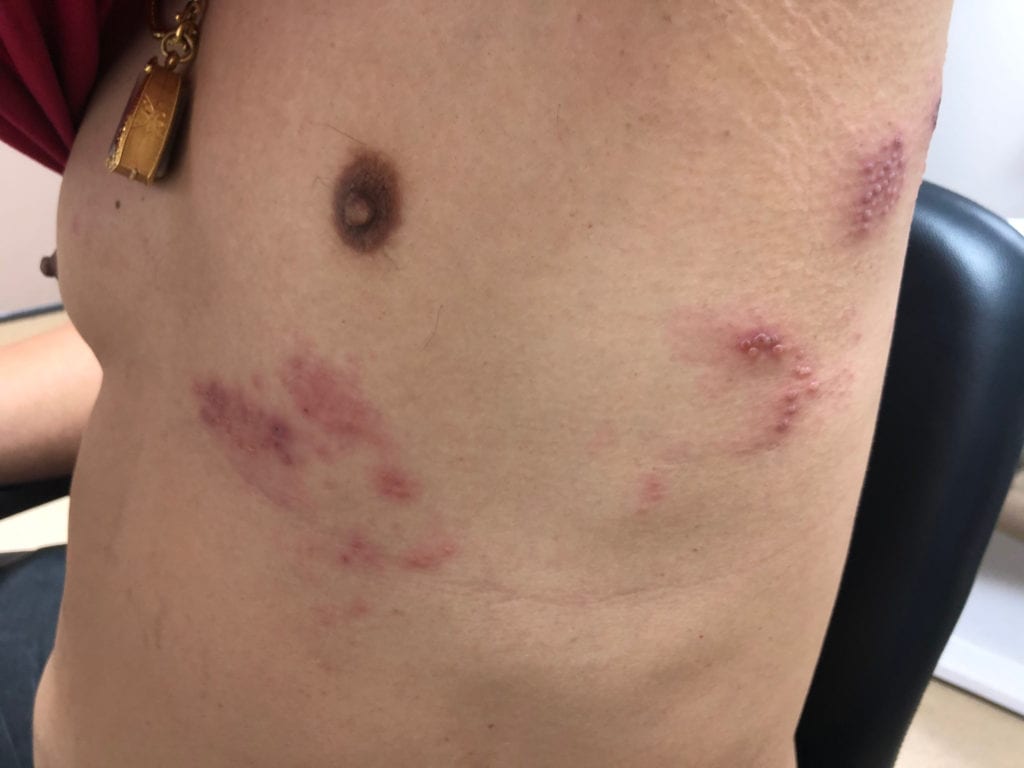
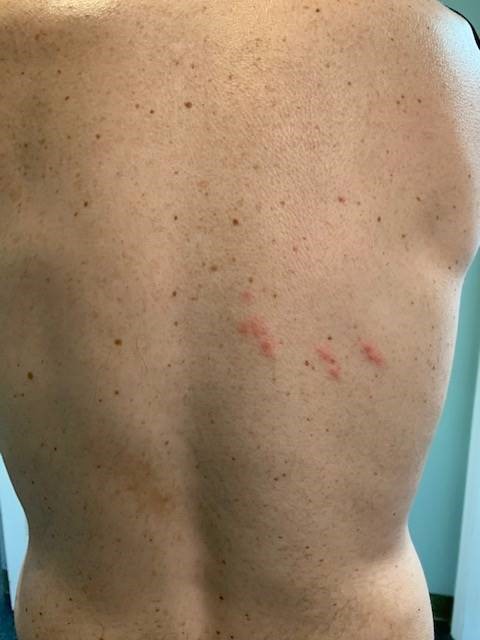
Herpes zoster, more commonly known as shingles, is caused by a virus that establishes latency on dorsal root and cranial nerve ganglia after a varicella-zoster (chickenpox) infection. Eventual reactivation of the virus causes it to spread from a nerve root to a cutaneous dermatome and produce a characteristic painful rash. The incidence of herpes zoster increases with age, which is why the rash usually presents in elderly populations, with a median age of 64.
Clinical Presentation
- Painful prodrome typically precedes rash by 2 to 3 days
- Pain can be constant or intermittent—usually described as a “burning” or “throbbing”
- Rash manifests as erythema and macules, followed by papules
- Papules develop into vesicles in 1 to 2 days
- Vesicle formation continues for 3 to 4 days
- All types of lesions (erythema, macules, papules, vesicles) may be present at 1 week
- Lesions tend to cluster at cutaneous nerve branches
- Only a single dermatome is typically affected in immunocompetent patients
Differential Diagnosis
- Can be confused with zosteriform herpes simplex and contact dermatitis
- Diagnostic tests such as PCR and immunohistochemical analysis of a skin scraping can be used to confirm diagnosis
Complications of Herpes Zoster
- Mostly limited to immunocompromised populations (e.g. AIDS, chemotherapy)
- Encephalitis
- Herpes zoster ophthalmicus with delayed contralateral hemiparesis
- VZV retinitis
- Myelitis
- Persistent pain (postherpetic neuralgia)
Treatment
Antiviral Therapy Shortens Duration of Rash and Viral Shedding
- Acyclovir: 800 mg 5 times daily for 7 to 10 days
- Famciclovir: 500 mg 3 times daily for 7 days
- Valacyclovir: 1000 mg 3 times daily for days
Acute Pain
- Treat acute pain with OTC analgesics: Acetaminophen or NSAIDs
- Keep lesions clean and dry
- If OTCs fails, consider longer term pain management
- Gabapentin: Start with 100 mg capsule twice a day and titrate up 300 mg 3 times a day
- Pregabalin: 75 mg daily titrated up to 300 mg in 3 divided doses
- Nortriptyline: 10 mg and titrate up to 40 mg nightly
- There is no indication for systemic glucocorticoids
- Therapy during the acute phase does not prevent postherpetic neuralgia
- Lesions may take 2 to 4 weeks to heal
Secondary Bacterial Infections
- Treat with systemic antibiotics to cover staph and strep (such as cephalosporin)
Additional Considerations
- Transmission Risk
- Patients with active lesions can transmit VZV to persons who have not had varicella infection, varicella-zoster vaccination or immunocompromise patients
- Pregnant women who do not have adequate varicella titers are also at higher risk
- Patients are considered contagious until all lesions have crusted over
- Varicella Vaccination
- Adults who do not have antibodies to varicella should receive 2 doses of varicella vaccine 1 to 2 months apart
- Exceptions: Pregnant woman or women planning pregnancy
Learn More – Primary Sources:
AAFP: Herpes Zoster and Postherpetic Neuralgia: Prevention and Management

Are Optimal Doses of Heart Failure Medications the Same for Men and Women?
BACKGROUND AND PURPOSE
- Medications for heart failure with reduced
ejection fraction (HFrEF) include
- Angiotensin-converting-enzyme (ACE) inhibitors | Angiotensin-receptor blockers (ARBs) | β blockers
- Men and women are prescribed the same doses
- Santema et al. (Lancet, 2019) investigated whether there are sex differences in the optimal doses of these medications for HFrEF
METHODS
- Post-hoc analysis of prospective BIOSTAT-CHF
study (11 European countries)
- Study to evaluate heart failure treatment with left ventricular ejection fraction less than 40%
- Findings were validated in ASIAN-HF, an independent cohort of 3539 men and 961 women with HFrEF
- Primary outcome
- A composite of time to all-cause mortality or hospitalization for heart failure
RESULTS
- 1,308 men and 402 women
- Women were
- Older (74 vs 70 years; p<0.0001)
- Lower bodyweights (72 kg vs 85 kg; p<0.0001)
- Heights (162 cm vs 174 cm; p<0.0001)
- No difference in BMI
- A similar number of men and women reached guideline-recommended target doses
- Sex differences related to drug dosage and risk for death or hospitalizations for heart failure
- Men: Lowest numbers of death or hospitalizations for heart failure occurred at 100% of the recommended medication dose
- Women: 30% lower risk of death or hospitalizations at only 50% of the recommended doses and no further decrease in risk at higher dose levels
- Adjusting for age and body surface area did not alter results
- Findings were similar in the second ASIAN-HF study
CONCLUSION
- Women may require half the dose of heart failure medications compared to men
- This finding is particularly important as literature demonstrates that women may have more adverse drug reactions and these reactions may be more severe than those seen in men
- This study highlights the pervasive bias towards male-based medical guidelines in research and in addition the authors state
This study also underlines the importance of performing prespecified sex-specific analyses in all drug trials
